
I still remember the warm summer evening when I first stepped into my favorite local bistro, the kind of place where the aroma of freshly baked bread mingled with the subtle hint of basil and garlic. I was accompanied by my buddy Jim, a guy with an eye for detail, and we found ourselves marveling not just at the food but also the creative menus that greeted us at every table. That night, while savoring a perfectly grilled steak, I had an epiphany: menu cards aren’t mere pieces of paper—they’re storytellers, setting the mood for the entire dining experience.
Innovative Menu Card Concepts
My Journey Begins
I remember the time when I decided to experiment with my own restaurant project. I wanted something genuinely unique. I started chatting with folks who understood how a good menu could change not just your ordering experience but also the overall vibe of the place. Nothing beats the thrill of mixing practicality with creativity. I recall how my first prototype, printed on a rough textured paper, felt under my fingers—it had a kind of artisanal charm, almost like I was holding a piece of art rather than just a list of dishes. I thought, “Hey, why not elevate this simple concept to something both functional and artistic?” It wasn’t long before I stumbled upon a service that truly got it—the kind that crafts custom menu cards tailored to a business’s personality.
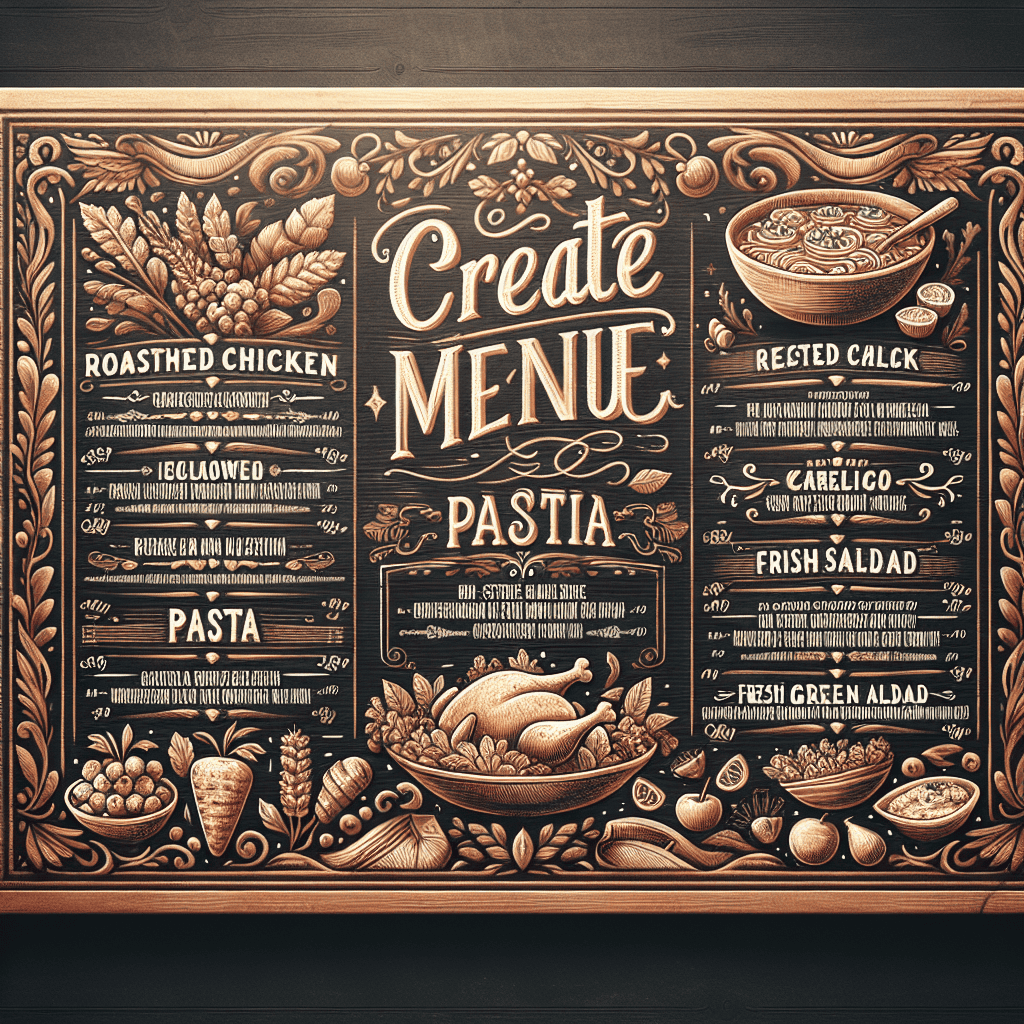
Innovation and Creativity in Menu Design
Speaking of creativity, have you ever thought about how the look of your menu card affects your appetite and mood? It’s wild, isn’t it? I definitely hadn’t, until I realized that a burst of vibrant color or an unexpected tactile finish could make your dining experience even more memorable. I started tinkering with ideas—mixing fonts like wild jazz tunes, playing with textures, and even adding quirky illustrations that nudged the narrative of the menu. The goal was clear: bridge the gap between functionality and art. Sometimes, we get stuck in the mundane, but then there’s that spark of genius from your best mate or your quirky aunt who loves doodles on napkins. My journey was filled with these lightbulb moments—each suggestion helped me piece together a concept that was as refreshing as a cold lemonade on a hot day. Honestly, it felt like my project was a reflection of my own eclectic tastes—a blend of whimsy and a dash of rebellion. If you’re a fan of exploring unconventional approaches, here’s a fun fact: In medieval Europe, menus weren’t even a thing. People had to rely solely on the server’s recommendations, which meant every dining experience was like tasting a secret recipe. I find that history pretty fascinating, and it reminds me how far we’ve come in giving our patrons a feast for both the eyes and the stomach.
Beyond Ordinary: Customizing the Experience
Diving into the details of menu design, I soon learned that it’s not just about aesthetics. The true magic happens when you consider the customers’ experience—how they flip through the pages, the crisp sound of a page turn, and even the slightly worn feeling of a card that’s been passed down through a night of laughter and shared moments. Imagine a menu that not only informs but also sparks conversation! I started dreaming of cards that could be updated on the fly, allowing for changing specials or the chef’s latest creation, all while maintaining a sleek, professional look. My family always believed in going the extra mile. I remember my sister, with her innate flair for colors, advising me to incorporate a system that allowed quick swaps of printed inserts. This system wasn’t just practical—it was downright ingenious in my eyes. It brought to mind those iconic restaurants where you’d almost expect some secret mechanism behind the scenes, making each meal feel like a well-choreographed performance
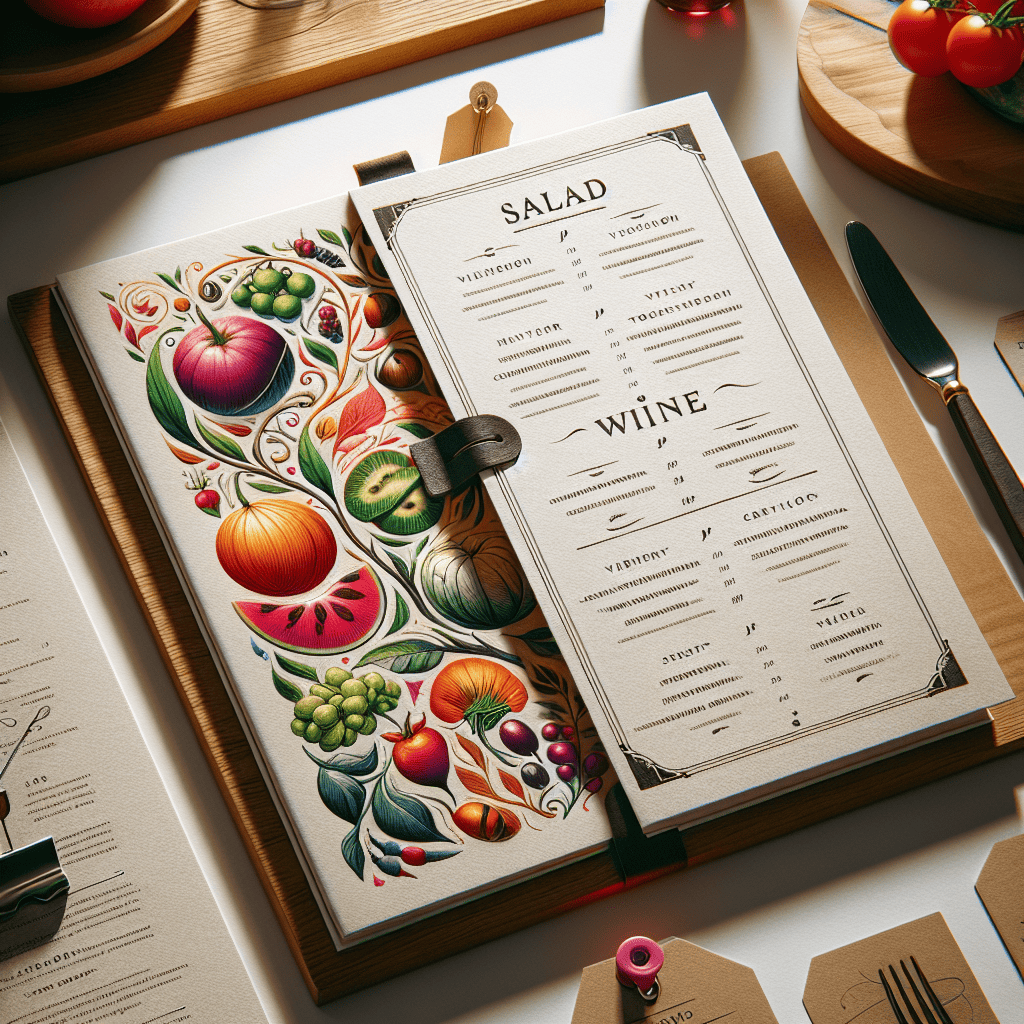
As I delved deeper, I experimented with various materials, from luxe faux-leather finishes to ultra-modern synthetic textures. Each material had its own personality, contributing to the overall vibe of the establishment. And let’s be honest, sometimes the little details—like that perfect trim along the card’s edge—can speak volumes about a restaurant’s commitment to quality. I even tried a round of A/B testing with a few local cafés, and the positive feedback was a huge confidence boost. It taught me that investing in quality presentation can really elevate your brand, making a dinner out an immersive experience. And while juggling all these ideas, I couldn’t help but notice how personal these projects felt. Every design tweak, every color change, every layout decision was like writing a chapter of my own creative journey. It was a proud moment not just for me, but for all the small businesses and eateries looking to make their mark with a touch of modern flair and timeless charm. Overall, building a custom menu isn’t just a task; it’s a journey—a creative adventure that intertwines art, functionality, and a sprinkle of personality. The process is messy, spontaneous, and downright fun. Sure, there have been moments of frustration when nothing seemed to click, but those are the moments that taught me the value of persistence and creative experimentation. I learned that every great design starts with an idea, and with a little passion (and a lot of coffee), that idea can transform into something truly remarkable. In closing, I want to thank you for joining me on this quirky yet stimulating ride through the world of custom menu designs. If you’re ever in a mood to dabble in something outside the box—be it for your restaurant or even just to cheer up your dining experience—remember that a little creativity goes a long way. Catch you on the flip side, and hey, keep those taste buds and minds inspired!