
I still remember the day I first stepped into a cozy little café with my buddy Dave, who’s always had an eye for the quirky. We sat down, and while savoring our extra-strong coffee, I couldn’t help but notice the menu cards. They weren’t your run-of-the-mill paper listings – they had personality, a vibe that made each item seem like an invitation to an adventure. That’s when it hit me: a menu isn’t just a list of dishes; it’s the first handshake between a restaurant and its guests. And man, have my views evolved since then!
Creative Menu Card Design
The Spark of Inspiration
It all began with that unforgettable cup of joe and a bit of musing – you ever have one of those epiphanies where simple details spark creativity? I started imagining how a well-crafted menu card could completely change the dining mood. I began thinking about textures, colors, and even the way the paper feels under your fingertips; imagine a velvet-like finish or a crisp, glossy edge that practically calls out, “Come on in, feast away!” I even tossed around ideas with my cousin Linda – she’s got a flair for interior design – and together we laughed over the absurdity of some design trends we’d seen over the years. We ended up brainstorming around the idea of merging art and practicality, and, honestly, it was one wild, creative ride from there.
Designing with Character
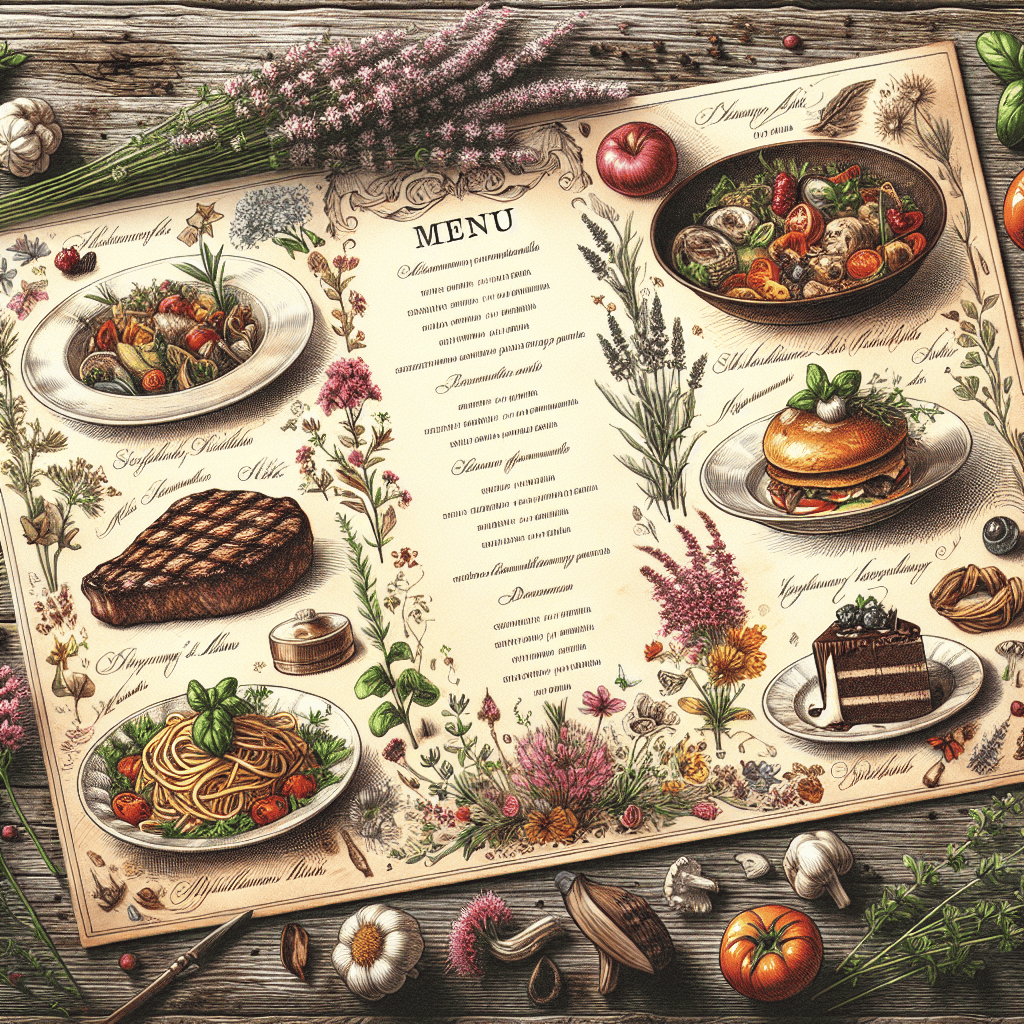
It wasn’t all rainbows and butterflies, though. The path to creating a menu that spoke to a venue’s soul had its fair share of bumps. I recall a time when I tried designing a menu for a local bistro – I was so overenthusiastic that I ended up with a layout that was more cluttered than a flea market! My friend Tony, who works in graphic design, gave me a reality check. “Less is more, mate,” he said, laughing as he sipped his lager. Sometimes it felt like walking on a tightrope: balancing artistic expression with the practical need for quick updates. After one too many revisions and a few heated debates on whether to go with a ring-bound or a clamp system (seriously, how many ways can you hold a few pages?), I realized that menu design isn’t just about aesthetics. It’s a journey to make something functional with a dash of personality. I did stumble upon a fun random fact on one of my late-night design binges: during the Victorian era, many restaurants used hand-painted menus, making each card a miniature work of art. This tidbit got me thinking that even now, there’s value in blending tradition with modern convenience. I love the idea that every menu card is a canvas waiting to tell its own story – a story that diners get to be a part of.
Practical Tips and Creative Twists
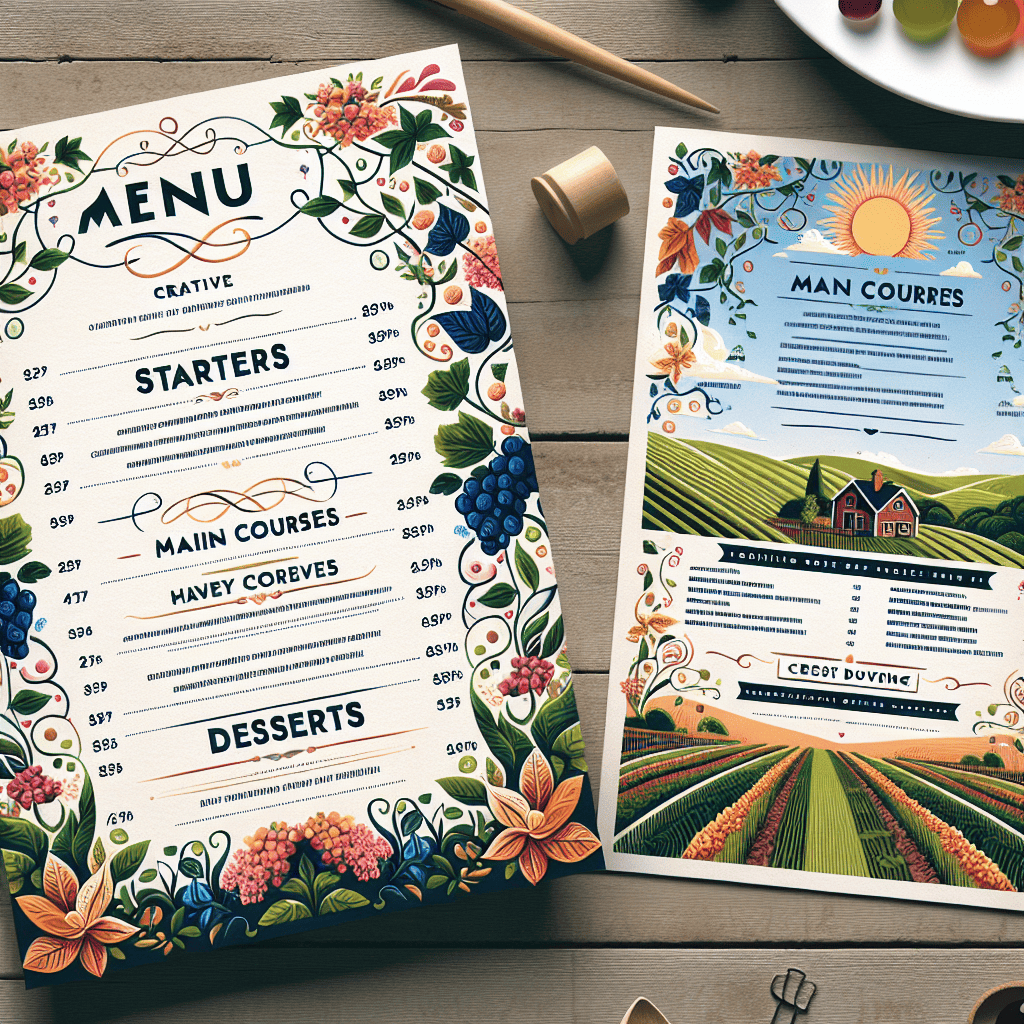
Here’s where I roll up my sleeves and dive into some hands-on advice. First off, never underestimate the power of tactile details. I’ve come to prefer menu cards with a unique finish – like a hint of leatherette that feels premium yet durable enough to withstand the hustle of a busy evening service. Ever notice how, when you run your finger over a well-made card, it sends a little thrill down your spine? That’s the design magic working. Also, keep in mind that sometimes a menu card isn’t just about listing dishes; it can be a dynamic tool to communicate the vibe of a place. Consider playing with color schemes that mirror the establishment’s branding. Mix in a few bold hues with softer tones for a contrast that’s eye-catching but not overwhelming. And for anyone who’s ever struggled with the format of their menu, here’s a tip: think modular. By designing your menu in separate, easily replaceable sections, you ensure that a change in the chef’s daily special doesn’t mean reprinting the whole thing. It’s all about that balance between consistency and flexibility. I remember chatting with my aunt Sheila last summer over some home-cooked pie. She mentioned that even her local diner had recently revamped their menu designs, and it really changed how people experienced their meals. “It’s like they’re saying, ‘We care about every detail, even the ones you barely notice,’” she quipped. It’s these small touches – like thoughtful design elements and clever use of space – that tell a story louder than any grand gesture. Between juggling client meetings and brainstorming sessions with my creative crew (shout-out to my mate Greg, who’s always up for a spontaneous design experiment!), I’ve learned that every menu card is an opportunity to transform a dining experience into an art form. Imagine, you’re not just serving food; you’re curating a mini exhibit that sets the stage for a memorable meal. And let’s face it – in today’s fast-paced world, that little extra wow factor can be the difference between a forgettable meal and an evening that lingers in the memory.
The process isn’t devoid of challenges, of course. There are days when you question whether your creative choices are just too eccentric. But then you see a customer smile – that subtle nod of approval when something on the menu catches their eye – and you know you’re on the right track. It’s that instant validation that keeps all the late nights and endless iterations worthwhile. Overall, this journey through the world of menu design has taught me that creativity is not a rigid process. It’s messy, unpredictable, and sometimes downright hilarious. Whether you’re a seasoned chef, a creative designer, or just someone who loves a good aesthetic, there’s something magical about crafting something that not only serves a purpose but also speaks directly to the heart of every diner. Thanks for joining me on this quirky ride – keep experimenting, keep laughing, and remember: every menu has a story to tell. Cheers and see you around!